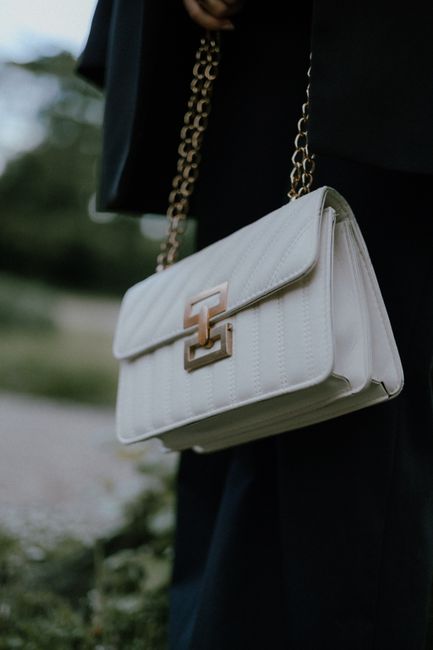
Everyday Bags 2026: The Trends That Actually Work
The everyday bag is the most used item in the wardrobe, and the 2026 trends — softer shapes, hands-free formats, and unexpected materials — are unusually practical.

The everyday bag is the accessory that gets the hardest workout. It is carried every day, loaded and unloaded constantly, exposed to weather and wear, and expected to hold up to all of it while still looking good. The everyday bag trends of 2026 are unusually responsive to that reality — the dominant shapes are softer and more forgiving, the hands-free formats that have been gaining ground for several seasons are now the default, and the materials are more varied and more practical than the leather-only standard of recent years. This is a look at the trends that are actually working for everyday use, and how to choose among them.
The Soft-Shape Shift
The defining shift in the everyday bag is the move away from structured, architectural shapes toward softer, slouchier forms. The structured top-handle bag of the last few years — beautiful, but demanding to live with — has given way to bags that slouch, fold, and adapt to what they hold. The new everyday bags are closer to the hobo and the soft tote than to the framed satchel, and they read as more relaxed and more practical. The shift is partly aesthetic — the softer shapes fit the more relaxed, less formal wardrobe of the moment — and partly functional, because a bag that adapts to its contents is a bag that is easier to live with.
The soft shape has a practical advantage that the structured bag does not: it is lighter. A structured bag has to hold its shape, which means a heavier construction, hardware, and reinforcement. A soft bag is just the leather and the lining, and the weight difference over a day of carrying is significant. For an everyday bag, weight is one of the most important specifications, and the soft-shape trend is, in part, a response to the demand for lighter bags.
The Hands-Free Default
The crossbody and the backpack have been gaining ground as everyday formats for several seasons, and in 2026 they have become the default rather than the alternative. The everyday bag is now, for most people, a bag that leaves the hands free — a crossbody for the lighter load, a backpack for the heavier one. The top-handle and shoulder bags have not disappeared, but they have become the second bag, the one for occasions, rather than the everyday choice.
This shift is driven by use. A bag that leaves the hands free is a bag that can be carried through a full day — on a commute, through a store, with a phone in hand — without becoming a burden. The top-handle bag, however beautiful, requires a hand or a crooked elbow, and that demand adds up over a day. The hands-free formats are the ones that work for the way life is actually lived, and the everyday bag market has, sensibly, followed the use.
The Unexpected Materials
The other development of 2026 is the range of materials now used for everyday bags. Leather is still the default, but it is joined by canvas, nylon, woven raffia, and a range of technical fabrics that were once reserved for performance gear. The result is a wider range of options at every price point, and a category that is more responsive to different uses — a nylon bag for the rain, a canvas bag for the summer, a woven bag for the weekend. The everyday bag no longer has to be a single material for all conditions, and the wardrobe that has a few options, each for its use, is a more functional wardrobe than one with a single leather bag for everything.
Choosing the Everyday Bag
The everyday bag should be chosen for the load it will carry and the day it will survive. The first specification is capacity — what has to fit in it, every day, without forcing. A bag that is too small will be overfilled and will wear out at the stress points; a bag that is too large will be heavy and will encourage over-packing. The right capacity is the one that holds the daily load with a little room to spare, and no more. The second specification is the strap — long enough for crossbody wear, adjustable, and comfortable on the shoulder. The third is the closure — secure enough to protect the contents, accessible enough to get in and out of repeatedly.
The aesthetic choice comes after the functional one. The everyday bag, because it is carried every day, will be seen more than any other accessory, and it should be a bag the wearer is happy to see. But the aesthetic should not override the function — a beautiful bag that is too small, too heavy, or too hard to access will not be carried, however beautiful it is. The best everyday bag is the one that is chosen for its function first and its appearance second, and that turns out to be beautiful because it does its job well.
Conclusion
The everyday bag trends of 2026 are, for once, genuinely useful. The soft shapes, the hands-free formats, and the wider range of materials are all responses to the way bags are actually used, and they make the category more functional than it has been in years. The everyday bag is the accessory that earns its place through daily service, and the 2026 options serve that daily service better than most. Choose for the load, choose for the day, and the bag will be one of the most-used and most-appreciated purchases in the wardrobe.