The Art of the Layered Necklace, 2026
Layered necklaces have moved from a trend to a permanent part of the jewelry wardrobe. The 2026 approach is more considered — and more personal — than the layered look of a few years ago.
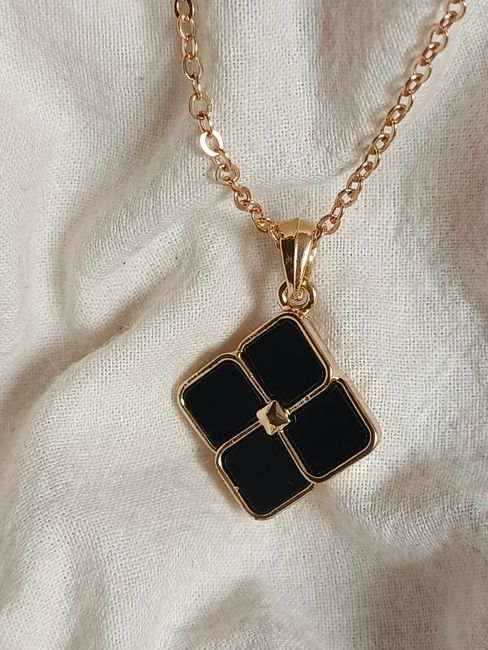
The layered necklace has been a defining look of the last several years, and it has survived long enough to stop being a trend and become a technique. That transition — from fashion moment to permanent method — is the moment when the approach matures, and the layered necklace of 2026 is a more considered, more personal, and more technically demanding version than the layered look of 2020. This is a guide to the matured technique: how to choose the pieces, how to combine them, and how to make a layered necklace feel like a personal composition rather than a copied look.
The Logic of the Layer
A layered necklace works on a single principle: the pieces must read as a composition, not as a pile. The difference between the two is the difference between a deliberate arrangement and a random accumulation, and it comes down to three things: length, weight, and character. The lengths must be spaced — typically a choker, a collar, a princess, and a longer opera length, with enough distance between them that each is visible. The weights must be balanced — a heavy piece at one length needs a corresponding weight at another, or the composition will feel lopsided. The characters must relate — the pieces do not have to match, but they have to speak the same language.
The most common failure of the layered necklace is the pile — three or four pieces of similar length, similar weight, and similar character, all competing for the same space on the chest. The result is a tangle, not a composition, and it reads as cluttered rather than considered. The successful layer spaces the pieces, balances the weights, and relates the characters, and the result is a composition that reads as intentional. The technique is in the spacing, the balance, and the relation, and each of them can be learned.
The Personal Composition
The matured layered necklace is, more than anything, a personal composition. The most successful versions are not the ones copied from a magazine but the ones built over time — a piece inherited from a grandmother, a piece bought on a trip, a piece given as a gift, a piece chosen to mark an occasion. The layer is, in the best cases, a biography in metal, and the personal history is what makes it feel like a composition rather than a costume. The 2026 approach leans into this: the layer is built from pieces that mean something, not from pieces bought as a set.
This is a different way of thinking about jewelry than the matching-set approach, and it requires a different kind of patience. A personal layer is built over years, not bought in an afternoon, and the pieces are chosen for their meaning and their fit with the existing composition, not for their trendiness. The result is a layer that cannot be copied, because it is specific to the person wearing it, and that is the point. The layered necklace, done well, is one of the most personal things a person can wear.
The Mixing of Metals
The old rule that metals should not be mixed — that yellow gold and white gold and silver should stay separate — is dead, and the layered necklace is one of the places where the mixing is most successful. A yellow gold chain, a white gold pendant, a silver collar: the combination reads as a personal composition rather than a matched set, and it is more interesting than the single-metal look. The key to mixing metals is the same as the key to the layer itself — the pieces have to relate in character, even if they differ in metal. A delicate silver chain relates to a delicate gold chain; a heavy silver collar does not relate to a delicate gold chain. The relation is in the character, not the metal.
The Practical Considerations
The layered necklace has practical challenges that the single necklace does not, and they are worth addressing. The first is tangling — pieces of different lengths, worn together, will catch on each other, and the composition can become a knot over a day of wear. The solutions are a layering clasp, which holds the pieces in place at the back of the neck, and the choice of pieces with different weights, which tangle less than pieces of similar weight. The second is the clasp — the pieces have to be easy to put on and take off together, and a layer that takes twenty minutes to assemble will not be worn. The layering clasp, again, is the solution, and it is worth the small investment.
The other practical consideration is the neckline. A layered necklace is designed for a specific neckline — the lengths are spaced to work with a particular opening — and the layer that works with a V-neck will not work with a crew neck. The composition has to be built with the clothing in mind, and the most successful layers are the ones designed for the necklines the wearer actually wears. A layer built for a range of necklines, with adjustable lengths, is the most versatile, and it is the version that will get the most use.
Conclusion
The layered necklace of 2026 is a matured technique, and the matured version is more personal, more considered, and more technically demanding than the trend that preceded it. The logic of the layer — the spacing, the balance, the relation — is the craft, and the personal composition is the point. A layer built over time, from pieces that mean something, is one of the most personal things in the jewelry wardrobe, and it is one of the things that the jewelry wardrobe, at its best, is for.


